
Behind every stable database is someone who knew what to look for
We work with administrators who want to stop guessing and start managing databases with actual confidence — through sustained, one-on-one guidance built around their specific environment.
 Est. 2019 · Donetsk, Ukraine
What shaped this practice
Hesbo Jundal started from a specific frustration: most database training stops at theory. You learn SQL syntax, maybe some index concepts — then you're handed a production system and left to figure out the rest. We built the mentorship model we wished existed when starting out.
Each mentorship engagement runs for a minimum of three months, with structured weekly sessions and a direct line for questions between them.The focus is on PostgreSQL, MySQL, and MSSQL environments — the systems that actually run most businesses. Sessions cover real situations: slow queries, replication lag, backup verification gaps, storage planning, and the kind of maintenance decisions that only look obvious after someone walks you through them once.

The people you'll actually work with
No rotating roster — you work with one mentor consistently across the entire engagement.
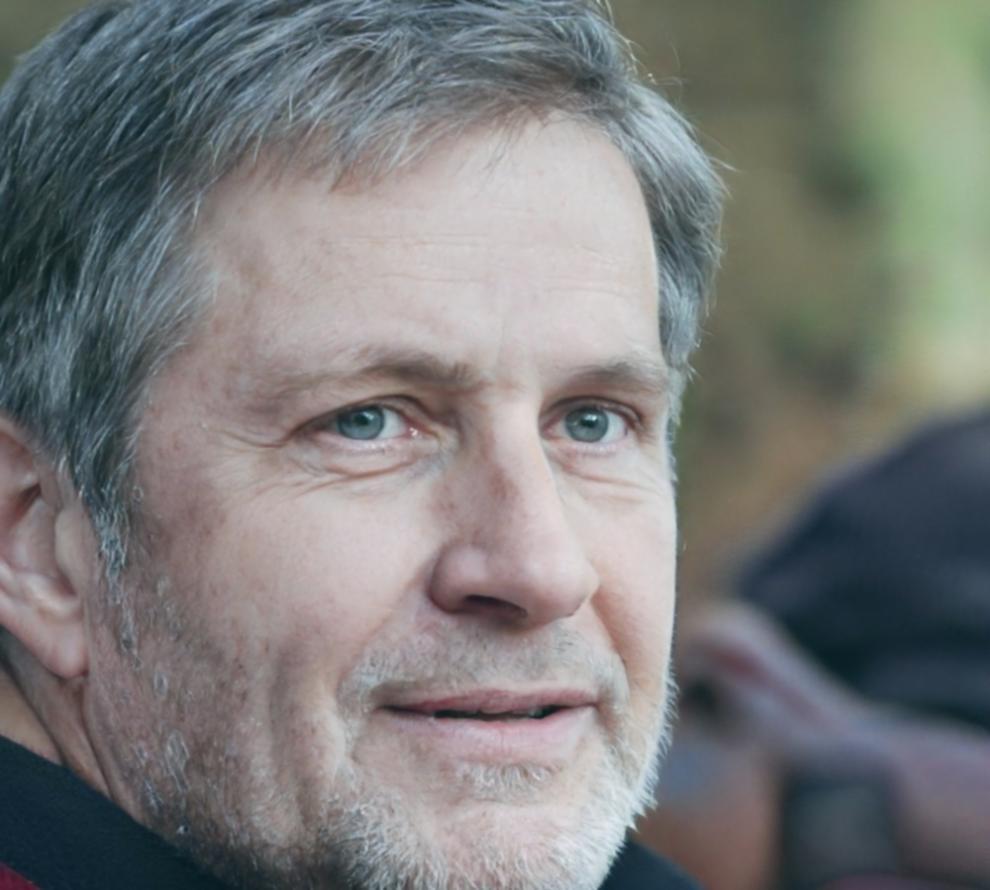
Oleksiy Vrazhko
Lead Database Mentor
Oleksiy spent nine years managing production databases for logistics and fintech companies before moving into full-time mentorship. His approach to query optimization is methodical — he reads execution plans the way others read error logs, tracing problems backward from symptom to cause.

Daryna Khomych
Database Systems Specialist
Daryna's background is in database architecture for mid-sized SaaS products, where capacity planning and schema design decisions had immediate business consequences. She works with clients on longer-horizon thinking — not just fixing what's broken today but avoiding what breaks next quarter.
How sessions actually run
Every client starts with a two-hour intake where we look at the actual environment — schema, query logs, current backup setup, anything that gives us a realistic picture. From there, sessions are structured but not scripted. They follow what's happening in the client's database, not a fixed curriculum.

-
Continuity over sessions
Notes from every session are shared the same day. We track open questions across weeks so nothing gets dropped between calls, and decisions made in month one inform the work in month three.
-
Specific environments, not generic advice
There's a real difference between tuning a 40 GB OLTP database and an 800 GB analytical store. We don't give standard answers — we look at what you're actually running and work from there.
-
Decisions you can defend
Part of the work is building the reasoning behind choices — not just knowing that a partial index is faster in this case, but understanding why, so you can apply the same thinking to the next situation without needing to ask again.
-
Scope limited by design
We work with a small number of clients simultaneously. Mentorship that's spread too thin becomes just email responses and shared articles. The cap exists to keep every engagement substantive.